
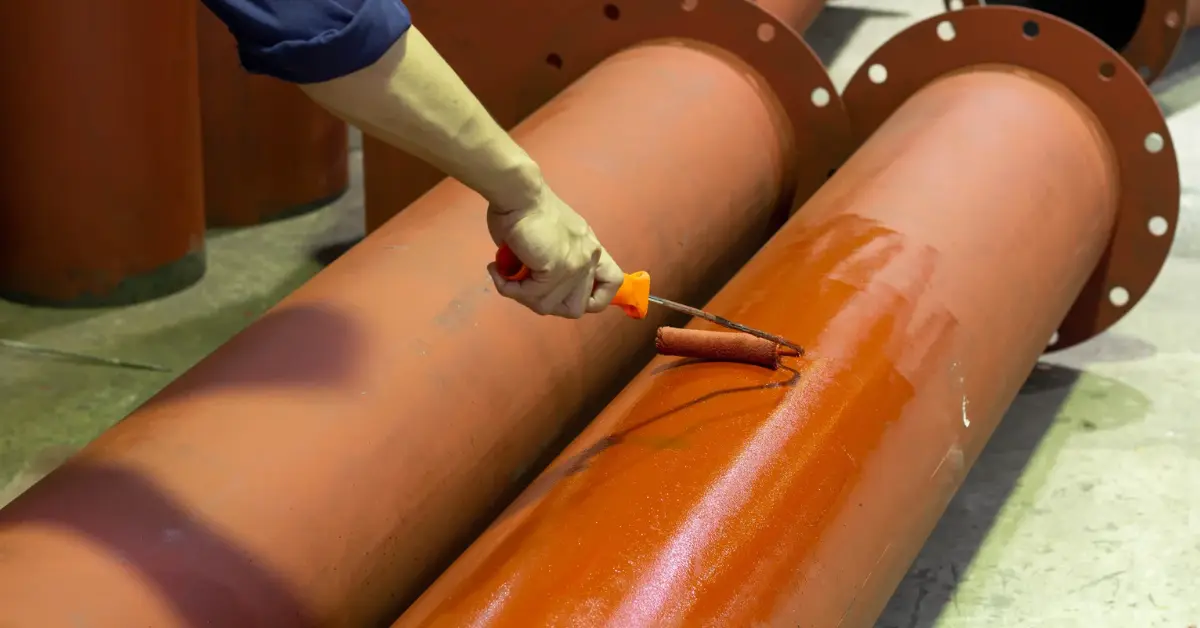
In the tropical paradise of Cairns, homeowners face unique challenges when it comes to maintaining their plumbing systems. One of the most insidious threats to your home’s pipes is corrosion. Left unchecked, pipe corrosion can lead to leaks, water damage, and even health hazards. Understanding the causes of pipe corrosion and how to prevent it is crucial for maintaining a healthy, efficient plumbing system in your Cairns home.
Types of Pipe Corrosion
Corrosion can manifest in several ways, each with its own set of causes and consequences:
Galvanic Corrosion
This occurs when two different metals are in contact in the presence of an electrolyte (like water), causing one metal to corrode more quickly than it would alone.
Pitting Corrosion
Characterized by small holes or pits in the metal, this type of corrosion can be particularly dangerous as it’s often not visible from the outside.
Erosion Corrosion
This happens when a combination of chemical and physical processes leads to the removal of material from the pipe surface.
Microbiologically Influenced Corrosion
Bacteria and other microorganisms can accelerate corrosion processes, particularly in warm, humid environments like Cairns.
Uniform Corrosion
This type of corrosion affects the entire surface of the metal at a relatively uniform rate.
Factors Contributing to Pipe Corrosion
Several factors can contribute to pipe corrosion in your Cairns home:
Water Chemistry (pH levels, mineral content)
The chemical composition of your water, including its pH level and mineral content, can significantly impact corrosion rates.
Pipe Material and Age
Different pipe materials have varying susceptibilities to corrosion, and older pipes are generally more prone to corrosion issues.
Temperature Fluctuations
Rapid temperature changes can stress pipes, making them more susceptible to corrosion.
Oxygen Content in Water
Higher levels of dissolved oxygen in water can accelerate corrosion processes.
Microbial Activity
In Cairns’ warm, humid climate, microbial growth can contribute to corrosion, particularly in areas with stagnant water.
Signs of Pipe Corrosion
Recognizing the signs of pipe corrosion early can save you from costly repairs down the line:
Discolored Water
If your water has a rusty or brownish tint, it could indicate corroding pipes.
Metallic Taste in Water
A metallic taste in your water might suggest that metal ions from corroding pipes are leaching into your water supply.
Frequent Leaks or Pinhole Leaks
Small, persistent leaks, especially pinhole leaks, are often a sign of pitting corrosion.
Reduced Water Pressure
As pipes corrode and narrow, you may notice a decrease in water pressure throughout your home.
Visible Signs of Rust or Deterioration
In exposed pipes, you might see visible rust or deterioration on the exterior.
Preventing Pipe Corrosion
Taking proactive steps to prevent pipe corrosion can save you from headaches and expensive repairs:
Water Treatment Options
Installing a water treatment system can help balance pH levels and remove corrosive elements from your water.
Proper Pipe Material Selection
When installing new pipes or replacing old ones, choose materials suited to Cairns’ climate and your water conditions.
Regular Plumbing Inspections
Schedule regular inspections with a professional plumber to catch and address corrosion issues early.
Maintaining Appropriate Water Chemistry
Regular testing and adjustment of your water’s pH and mineral content can help prevent corrosion.
Insulation and Temperature Control
Proper insulation can prevent temperature fluctuations that stress pipes and accelerate corrosion.
Dealing with Existing Corrosion
If you’ve identified corrosion in your pipes, there are several ways to address the issue:
Pipe Replacement Options
In severe cases, replacing corroded pipes with corrosion-resistant materials may be the best long-term solution.
Pipe Lining Techniques
For less severe cases, pipe lining can provide a protective barrier inside existing pipes without the need for full replacement.
Localized Repairs
For isolated areas of corrosion, localized repairs or replacement of specific pipe sections may be sufficient.
Professional Cleaning Methods
In some cases, professional cleaning methods can remove corrosion buildup and extend the life of your pipes.
Long-term Maintenance Strategies
Implementing ongoing maintenance strategies can help manage existing corrosion and prevent further damage.

FAQ Section
How quickly can pipe corrosion occur in Cairns’ climate?
Pipe corrosion in Cairns can occur more rapidly than in many other climates due to several factors:
- High Humidity: Cairns’ tropical climate with high humidity levels can accelerate corrosion processes, especially on exposed pipes.
- Salt Air: Proximity to the ocean means salt in the air, which can speed up corrosion, particularly on external pipes or those in poorly ventilated areas.
- Temperature Fluctuations: While Cairns has a relatively stable climate, even minor temperature changes can contribute to pipe stress and corrosion.
- Water Quality: The mineral content and pH of local water can influence corrosion rates.
- Microbial Activity: Warm, moist environments are ideal for microorganisms that can contribute to corrosion.
In ideal conditions for corrosion, noticeable damage can occur within a few years, especially in older or more susceptible pipe materials. However, the rate can vary significantly based on:
- Pipe material (copper, galvanized steel, PVC, etc.)
- Location of pipes (underground, in walls, exposed)
- Water usage patterns
- Maintenance practices
To protect against rapid corrosion:
- Choose corrosion-resistant materials for new installations
- Implement regular inspection and maintenance routines
- Consider water treatment options to balance pH and mineral content
- Ensure proper ventilation in areas with exposed pipes
- Address any leaks or moisture issues promptly
Regular inspections by a professional plumber can help catch and address corrosion issues before they become severe, potentially saving you from costly repairs or replacements.
Can pipe corrosion affect my family’s health?
Yes, pipe corrosion can potentially affect your family’s health in several ways:
- Contaminants in Water:
- Corroded pipes can leach metals like lead, copper, or iron into your drinking water.
- These metals, especially lead, can be harmful if consumed in large quantities or over long periods.
- Bacterial Growth:
- Corroded areas in pipes can harbor bacteria and other microorganisms.
- This can lead to increased risk of waterborne illnesses.
- Reduced Water Quality:
- Corrosion can affect the taste, odor, and color of your water, potentially discouraging proper hydration.
- Mold and Mildew:
- Leaks from corroded pipes can create damp environments conducive to mold and mildew growth, which can cause respiratory issues.
- Chemical Interactions:
- In some cases, corrosion can interact with water treatment chemicals, potentially creating harmful byproducts.
- Reduced Effectiveness of Water Treatment:
- Corroded pipes may interfere with the effectiveness of water treatment methods, potentially allowing contaminants to persist.
To protect your family’s health:
- Have your water tested regularly, especially if you notice changes in color, taste, or odor.
- Consider installing a whole-house water filtration system.
- Address any signs of corrosion promptly.
- If you live in an older home, have your pipes inspected for potential lead content.
- Flush your taps for a few minutes if water has been sitting in pipes for several hours.
Remember, while the risk of serious health effects from typical pipe corrosion is generally low, it’s always better to err on the side of caution when it comes to your family’s health. Regular maintenance and addressing corrosion issues promptly can help ensure your water remains safe and healthy.
What are the most corrosion-resistant pipe materials suitable for Cairns’ climate?
For Cairns’ tropical climate, several corrosion-resistant pipe materials are suitable:
- PEX (Cross-linked Polyethylene):
- Highly resistant to corrosion and scale buildup
- Flexible and easy to install
- Can withstand temperature fluctuations
- CPVC (Chlorinated Polyvinyl Chloride):
- Excellent corrosion resistance
- Can handle high temperatures
- Resistant to chemicals and bacteria
- Copper:
- Naturally antimicrobial
- Corrosion-resistant when properly installed
- Long lifespan, especially with protective coatings
- Stainless Steel:
- Highly resistant to corrosion and rust
- Durable and long-lasting
- Suitable for both indoor and outdoor use
- PVC (Polyvinyl Chloride):
- Excellent for cold water lines
- Corrosion-resistant and cost-effective
- Not suitable for hot water lines
- PP-R (Polypropylene Random Copolymer):
- Highly resistant to corrosion and chemical leaching
- Can handle high temperatures
- Long lifespan and environmentally friendly
- HDPE (High-Density Polyethylene):
- Excellent for underground applications
- Resistant to corrosion and chemical degradation
- Flexible and impact-resistant
Factors to consider when choosing:
- Water chemistry in your area
- Intended use (hot water, cold water, drainage)
- Budget constraints
- Local building codes and regulations
- Installation requirements
It’s important to note that while these materials are corrosion-resistant, proper installation and maintenance are still crucial. Factors like incorrect joining methods, exposure to UV light, or incompatible chemicals can still lead to degradation over time.
Consulting with a local professional plumber who understands Cairns’ specific climate challenges can help you choose the best material for your particular needs and ensure proper installation for maximum longevity.
How often should I have my pipes inspected for corrosion?
Regular pipe inspections are crucial for catching corrosion early and preventing major issues. Here’s a general guideline for pipe inspection frequency in Cairns:
- Annual Visual Inspections:
- Conduct a visual check of exposed pipes yearly
- Look for signs of discoloration, flaking, or small leaks
- Professional Inspections:
- Every 2-3 years for homes less than 20 years old
- Every 1-2 years for homes 20-40 years old
- Annually for homes over 40 years old
- After Significant Events:
- Inspect after severe storms or floods
- Check pipes after any nearby construction that could affect your plumbing
- When Buying a Home:
- Always get a thorough plumbing inspection before purchasing, regardless of the home’s age
- Specific Areas:
- Inspect areas prone to moisture (under sinks, bathrooms) more frequently
- Check outdoor pipes and fixtures before and after the wet season
- Water Heater Area:
- Inspect pipes around your water heater annually, as this area is prone to corrosion
- If You Notice Changes:
- Conduct an inspection if you notice changes in water color, taste, or pressure
- Based on Pipe Material:
- Copper and PVC pipes may need less frequent inspections
- Galvanized steel pipes, common in older homes, require more frequent checks
Additional Considerations for Cairns:
- The tropical climate may necessitate more frequent inspections due to high humidity and potential salt air exposure
- Consider more frequent checks during the wet season, especially for outdoor plumbing
Remember, these are general guidelines. Your specific situation may require more or less frequent inspections based on factors like water quality, pipe materials, and the age of your plumbing system. A professional plumber can help you establish an inspection schedule tailored to your home’s needs.
Regular inspections can save you money in the long run by catching small issues before they become major problems, ensuring the longevity and efficiency of your plumbing system.
Can pipe corrosion be reversed, or is replacement always necessary?
The approach to dealing with pipe corrosion depends on the extent and type of corrosion. While severe corrosion often necessitates replacement, there are situations where corrosion can be mitigated or “reversed” to some extent:
Mitigation Options:
- Pipe Lining:
- Applies a protective coating inside existing pipes
- Can extend pipe life without full replacement
- Effective for pinhole leaks and minor corrosion
- Epoxy Coating:
- Similar to pipe lining, but uses epoxy resin
- Can seal small leaks and prevent further corrosion
- Descaling:
- Removes mineral buildup inside pipes
- Can improve water flow and slow corrosion process
- Only effective for scale-related corrosion
- Cathodic Protection:
- Uses electrical current to prevent corrosion in metal pipes
- More common in industrial settings but can be applied residentially
- Water Treatment:
- Adjusting water chemistry can slow or stop corrosion process
- Involves pH balancing and mineral content adjustment
When Replacement is Necessary:
- Extensive Damage:
- If corrosion has significantly weakened pipe structure
- Lead Pipes:
- Always replace lead pipes due to health risks
- Recurring Leaks:
- If pipes frequently develop new leaks after repairs
- Age of Pipes:
- Very old pipes may be better replaced than repaired
- Cost-Effectiveness:
- When repair costs approach replacement costs
- Type of Corrosion:
- Some types of corrosion, like deep pitting, are not reversible
Factors to Consider:
- Extent of corrosion
- Type of pipe material
- Age of plumbing system
- Overall condition of pipes
- Long-term plans for the property
- Budget constraints
Professional Assessment: A thorough inspection by a professional plumber is crucial in determining whether mitigation or replacement is the best course of action. They can assess the extent of corrosion, the overall condition of your plumbing system, and recommend the most cost-effective and long-lasting solution.
In Cairns’ tropical climate, where corrosion can progress more rapidly, early intervention is key. Regular inspections and prompt attention to any signs of corrosion can often allow for mitigation strategies rather than full replacement, saving you time and money in the long run.
What role does water quality play in pipe corrosion, and how can I improve my water quality to protect my pipes?
Water quality plays a significant role in pipe corrosion. Various aspects of water composition can either accelerate or inhibit corrosion processes. Here’s how water quality affects pipe corrosion and ways to improve it:
Factors Affecting Corrosion:
- pH Level:
- Low pH (acidic water) can accelerate corrosion
- Ideal pH range: 6.5-8.5
- Mineral Content:
- High mineral content (hard water) can lead to scale buildup
- Soft water can be more corrosive
- Dissolved Oxygen:
- Higher levels can increase corrosion rates
- Chloride and Sulfate Levels:
- High levels can contribute to corrosion, especially in metal pipes
- Temperature:
- Higher temperatures generally accelerate corrosion processes
- Microorganisms:
- Some bacteria can contribute to corrosion
Improving Water Quality to Protect Pipes:
- Water Testing:
- Regular water testing to understand your water composition
- pH Adjustment:
- Install a neutralizer if water is too acidic
- Limestone filters can help raise pH levels
- Water Softeners:
- Reduce mineral content in hard water
- Can help prevent scale buildup
- Reverse Osmosis Systems:
- Remove a wide range of contaminants
- Can be used for drinking water or whole-house treatment
- Chlorine Filters:
- Reduce chlorine levels which can be corrosive
- Corrosion Inhibitors:
- Chemical additives that form a protective layer inside pipes
- Aeration Systems:
- Can help reduce dissolved gases like carbon dioxide which contribute to acidity
- Regular Flushing:
- Periodically flush your pipes to remove sediment buildup
- Temperature Control:
- Maintain consistent water temperature where possible
- Biological Filtration:
- For systems affected by microbiologically influenced corrosion
Cairns-Specific Considerations:
- In Cairns’ tropical climate, be particularly aware of:
- Higher water temperatures, which can accelerate corrosion
- Potential for microbial growth, which may contribute to corrosion
- Seasonal variations in water quality, especially during the wet season
- Rainwater Harvesting Considerations:
- If using rainwater, ensure proper filtration and treatment to prevent acidic water from corroding pipes
- Professional Consultation:
- Consult with a local water treatment specialist familiar with Cairns’ water conditions for tailored solutions
Implementing Water Quality Improvements:
- Start with a comprehensive water test to identify specific issues
- Prioritize treatments based on test results and your home’s needs
- Consider a multi-stage approach, addressing different aspects of water quality
- Regularly maintain and monitor any water treatment systems you install
- Schedule periodic re-testing to ensure treatments remain effective
Remember, improving water quality not only protects your pipes but can also enhance the overall quality of your household water, benefiting your family’s health and the longevity of water-using appliances.
By taking proactive steps to improve and maintain your water quality, you can significantly reduce the risk of pipe corrosion, extending the life of your plumbing system and avoiding costly repairs or replacements down the line.
Conclusion
Understanding and preventing pipe corrosion is crucial for maintaining a healthy, efficient plumbing system in your Cairns home. The unique challenges posed by our tropical climate make it even more important to stay vigilant and proactive in caring for your pipes.
Remember, pipe corrosion is not just about maintaining your plumbing system – it’s about protecting your home, your health, and your wallet. Corroded pipes can lead to water damage, decreased water quality, and expensive repairs if left unchecked. By understanding the signs of corrosion, implementing preventive measures, and addressing issues promptly, you can ensure your plumbing system serves you well for years to come.
Regular inspections, proper maintenance, and timely interventions are key to managing pipe corrosion. Whether it’s choosing the right pipe materials for new installations, improving your water quality, or addressing existing corrosion issues, each step you take contributes to the longevity and efficiency of your plumbing system.
At Rapid Flow Plumbing Cairns, we understand the unique challenges that Cairns homeowners face when it comes to pipe corrosion. Our team of experienced plumbers is equipped with the knowledge and tools to help you prevent, detect, and address corrosion issues effectively. From comprehensive inspections to advanced repair techniques, we’re here to ensure your plumbing system remains in top condition.
Don’t wait for small corrosion issues to become major problems. Contact Rapid Flow Plumbing Cairns today at 07 4079 0785 to schedule a thorough inspection of your plumbing system. Let us help you protect your pipes, your home, and your peace of mind. With our expertise and your proactive approach, we can work together to keep your plumbing flowing smoothly for years to come.
Remember, when it comes to pipe corrosion, prevention is always better – and more cost-effective – than cure. Take the first step towards a healthier plumbing system today, and enjoy the benefits of clean, safe, and efficient water flow in your Cairns home.


